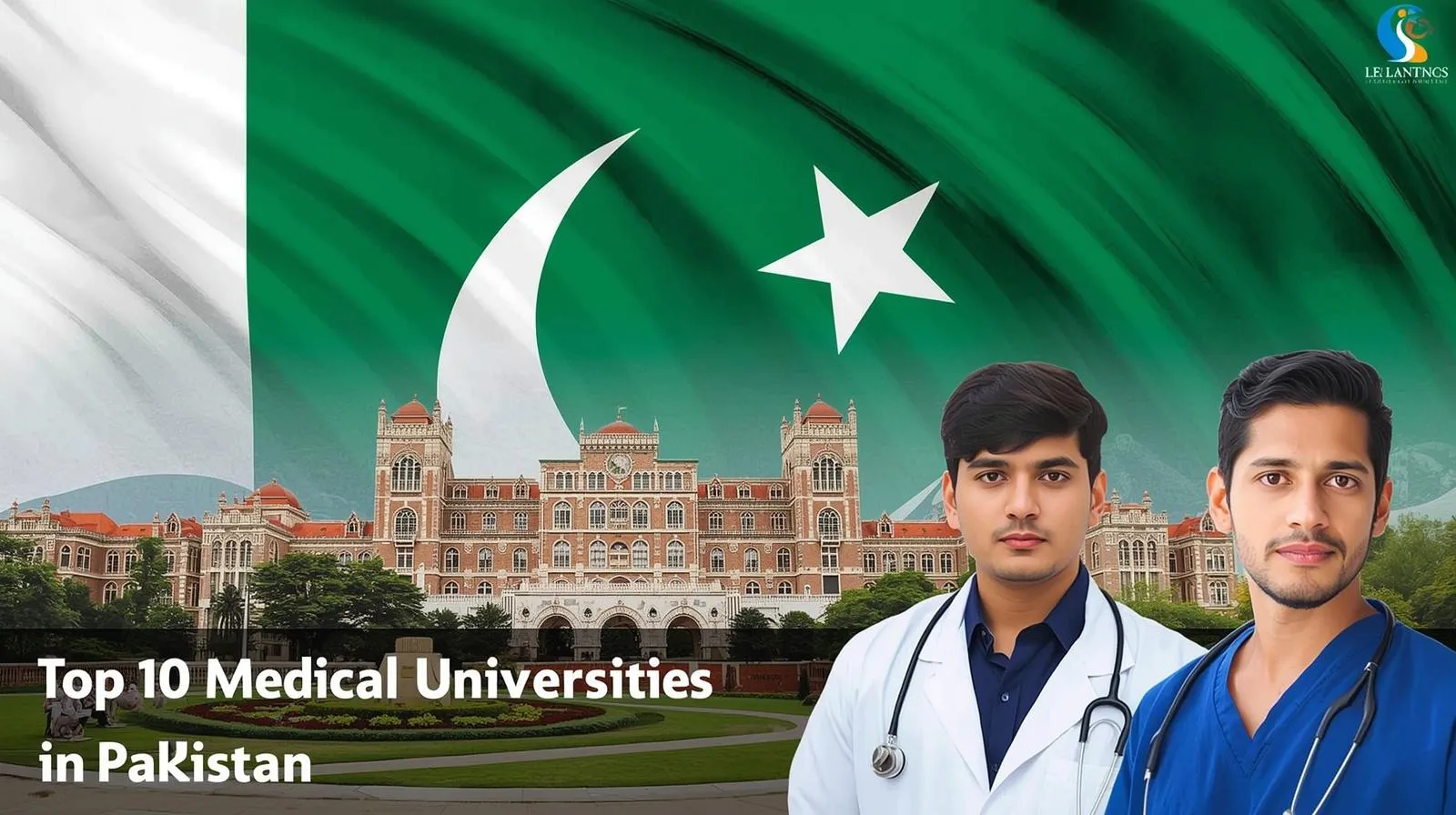
Pakistan has a number of dedicated medical universities that offer undergraduate, postgraduate, and doctoral programs in medicine, dentistry, nursing, and allied health sciences. Unlike medical colleges that are often affiliated with larger universities, these institutions are independent degree‑awarding universities recognized by the Pakistan Medical and Dental Council (PMDC) and the Higher Education Commission (HEC). Below is a list of the top 10 medical universities in Pakistan, each with a brief introduction. Click on the university name to explore admission opportunities.
1. University of Health Sciences (UHS), Lahore
University of Health Sciences is Pakistan’s first dedicated health sciences university, established in 2002. It affiliates over 300 medical and dental colleges across Punjab and conducts centralized entrance tests like the MDCAT. UHS also offers MS, MPhil, and PhD programs in basic and clinical sciences.
2. King Edward Medical University (KEMU), Lahore
King Edward Medical University is one of the oldest and most prestigious medical institutions in South Asia, founded in 1860. It became a full‑fledged university in 2005 and offers MBBS, BDS, and various postgraduate specialty programs. KEMU is known for its excellent clinical training at Mayo Hospital.
3. Dow University of Health Sciences (DUHS), Karachi
Dow University of Health Sciences was granted university status in 2003, evolving from the historic Dow Medical College. It offers a wide range of programs in medicine, dentistry, pharmacy, nursing, and biomedical engineering. DUHS operates multiple teaching hospitals, including the Civil Hospital Karachi, and is a leader in medical research.
4. Jinnah Sindh Medical University (JSMU), Karachi
Jinnah Sindh Medical University was originally established as Sindh Medical College and later upgraded to a university in 2012. It offers MBBS, BDS, and several postgraduate residencies and fellowships. JSMU has strong affiliations with Jinnah Postgraduate Medical Centre and other major hospitals in Karachi.
5. Khyber Medical University (KMU), Peshawar
Khyber Medical University is the leading health sciences university in Khyber Pakhtunkhwa, established in 2007. It governs numerous affiliated medical and dental colleges across the province and offers advanced degrees in public health, nursing, and basic medical sciences. KMU is also known for its research in infectious diseases and epidemiology.
6. Bolan University of Medical & Health Sciences (BUMHS), Quetta
Bolan University of Medical & Health Sciences is the only dedicated medical university in Balochistan, granted university status in 2018. It offers MBBS, BDS, nursing, and allied health programs. BUMHS plays a critical role in improving healthcare education and services in the underserved province of Balochistan.
7. Shaheed Mohtarma Benazir Bhutto Medical University (SMBBMU), Larkana
Shaheed Mohtarma Benazir Bhutto Medical University is located in Larkana, Sindh, and was chartered in 2008. It offers MBBS, BDS, and postgraduate training through its affiliated Chandka Medical College and other institutions. The university is committed to providing quality medical education to students from rural Sindh.
8. Nishtar Medical University (NMU), Multan
Nishtar Medical University was upgraded from the renowned Nishtar Medical College in 2018. It offers MBBS, BDS, and a variety of specialty and super‑specialty programs. NMU is associated with the 2,000‑bed Nishtar Hospital, one of the largest teaching hospitals in Pakistan, providing exceptional clinical exposure.
9. Faisalabad Medical University (FMU), Faisalabad
Faisalabad Medical University gained university status in 2020, formerly known as Punjab Medical College. It offers MBBS, BDS, and postgraduate degrees in medicine and surgery. FMU is attached to the Allied Hospital, a major tertiary care facility, and serves the large population of central Punjab.
10. Rawalpindi Medical University (RMU), Rawalpindi
Rawalpindi Medical University was granted university status in 2017 after decades of excellence as Rawalpindi Medical College. It offers MBBS, BDS, and numerous FCPS, MS, and MPhil programs. RMU is affiliated with the Holy Family Hospital, Benazir Bhutto Hospital, and District Headquarters Hospital, ensuring comprehensive clinical training.
Conclusion
Choosing the right medical university is the first step toward a successful career in healthcare. Each of these top 10 medical universities in Pakistan offers unique strengths, from UHS’s centralized testing system and KEMU’s historic legacy to DUHS’s research output and KMU’s focus on public health. All are recognized by PMDC and HEC, ensuring your degree is valid for further training and licensure. Admissions typically open in the summer, with MDCAT as the common entry test.
We recommend visiting the official websites of these universities or clicking on the university names above to access the latest admission announcements, eligibility criteria, and application deadlines. Prepare well, meet the requirements, and take the first step toward becoming a medical professional.